This guide covers everything you’ll need for a memorable short-term trip to Japan. From ancient temples and futuristic cities to beautiful landscapes and delicious cuisine, Japan has something for everyone. Whether you’re exploring the hustle and bustle of Tokyo or the serenity of Kyoto’s temples, this checklist ensures you’re well-prepared for your adventure.
🇯🇵 Welcome to Japan 🇯🇵
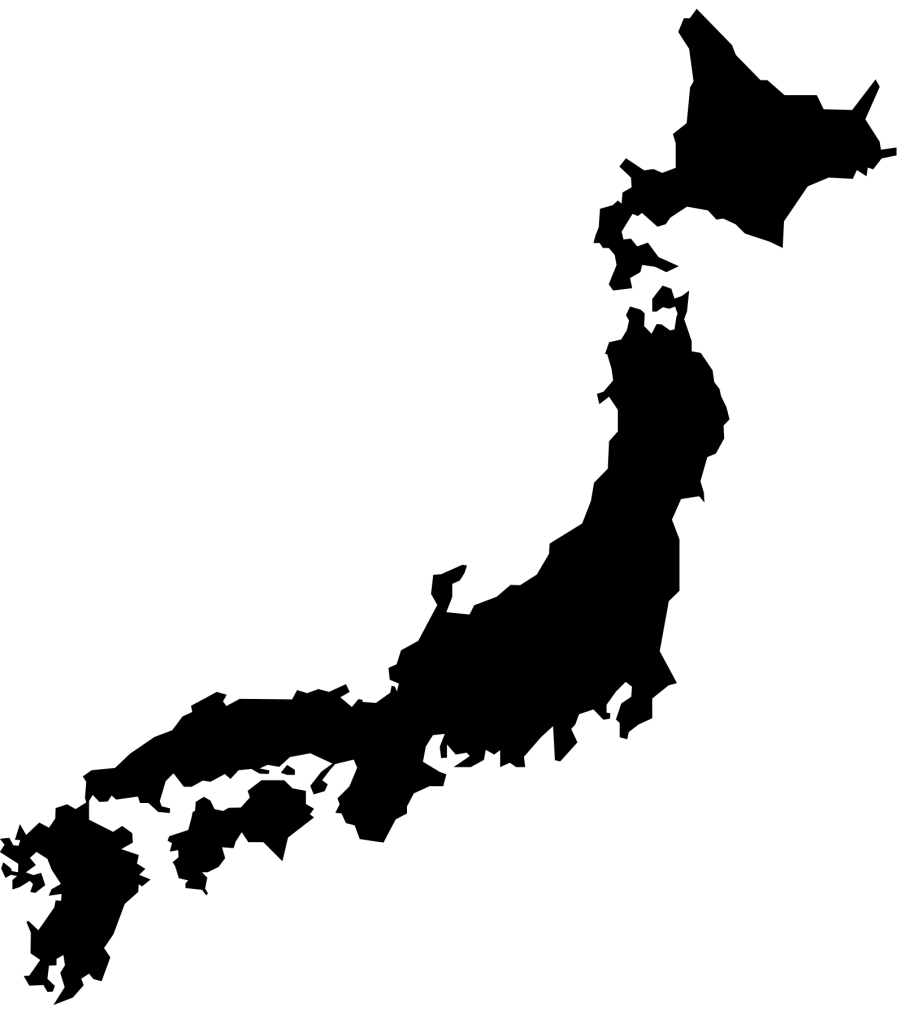
Japan is an island nation in East Asia known for its unique blend of ancient traditions and modern innovations. The country’s rich history, stunning landscapes, and high-tech cities make it a top destination for travellers.
The Essentials
Weather
Japan has four distinct seasons, so the best time to visit depends on your preferences:
- Spring (March to May) – Famous for the cherry blossoms or sakura. Temperatures range between 10°C to 20°C.
- Summer (June to August) – Hot and humid, with temperatures from 25°C to 35°C. This is also the season for festivals and fireworks.
- Autumn (September to November) – Ideal for viewing autumn leaves with temperatures between 10°C to 20°C.
- Winter (December to February) – Cold, especially in northern areas, with temperatures ranging from -5°C to 10°C. Skiing and snowboarding are popular in Hokkaido and Nagano.
Money Matters
- Currency: Japanese Yen (JPY)
- Credit and debit cards are becoming more accepted in major cities, but Japan is still a cash-heavy society, especially in rural areas.
- ATMs are widely available at 7-Eleven stores and post offices, which usually accept foreign cards.
Top Tip – Tipping is not customary and can even be considered rude. Exceptional service is expected, so instead of tipping, show appreciation by being polite and saying “thank you.”
Language
Official Language: Japanese
English is understood in very touristy areas, but many locals do not speak it fluently. Having Google Translate or a phrasebook can be handy when communicating in rural areas or with older generations.
Connectivity and Wi-Fi
- Japan has widespread Wi-Fi in hotels, cafes, and tourist areas, though it may not be as prevalent in more remote regions.
- You can rent a portable Wi-Fi router at the airport or buy a prepaid SIM card for mobile data. Many tourists opt for portable routers for continuous connectivity throughout the trip.
- An alternative to SIM cards are eSIMs, an eSIM is a digital SIM card that you can download on your phone and use for the duration of your trip click here to find out more information about my favourite eSim Provider Airalo!
Plug & Sockets
Japan uses Type A and B plugs, with a standard voltage of 100V and a frequency of either 50Hz (Eastern Japan) or 60Hz (Western Japan). Most modern electronics will work, but check if your devices are compatible with the lower voltage.
Safety and Emergency Numbers
Japan is one of the safest countries in the world, but it’s always good to know the emergency contacts:
- Police : 110
- Fire and Ambulance: 119
Travel and Transport
Air
Japan has several major international airports, making air travel convenient both internationally and domestically.
- Chubu Centrair International Airport (Nagoya)
- Narita International Airport (Tokyo)
- Haneda Airport (Tokyo)
- Kansai International Airport (Osaka)
Public Transport
Japan’s public transport system is world-class, especially in major cities.
Trains: The Shinkansen (bullet train) connects major cities and is one of the fastest ways to travel long distances. Consider purchasing a Japan Rail Pass (JR Pass), which offers unlimited travel on JR trains for a set number of days, perfect for tourists.
Subways and buses: Cities like Tokyo, Osaka, and Kyoto have extensive subway systems. IC cards like Suica or Pasmo can be used on most public transport across Japan and make travel easier.
Taxis: Taxis are available, but they are expensive compared to public transport. Apps like JapanTaxi can be useful for hailing taxis.
Bicycles: Many cities are bike-friendly, and you can easily rent bicycles in places like Kyoto and Hokkaido.
Food and Culture
Japan’s cuisine is globally renowned, offering a delightful mix of traditional dishes and innovative creations. Trying local food is a must, and Japan’s culinary landscape caters to all tastes and preferences. Make sure to try out the below:
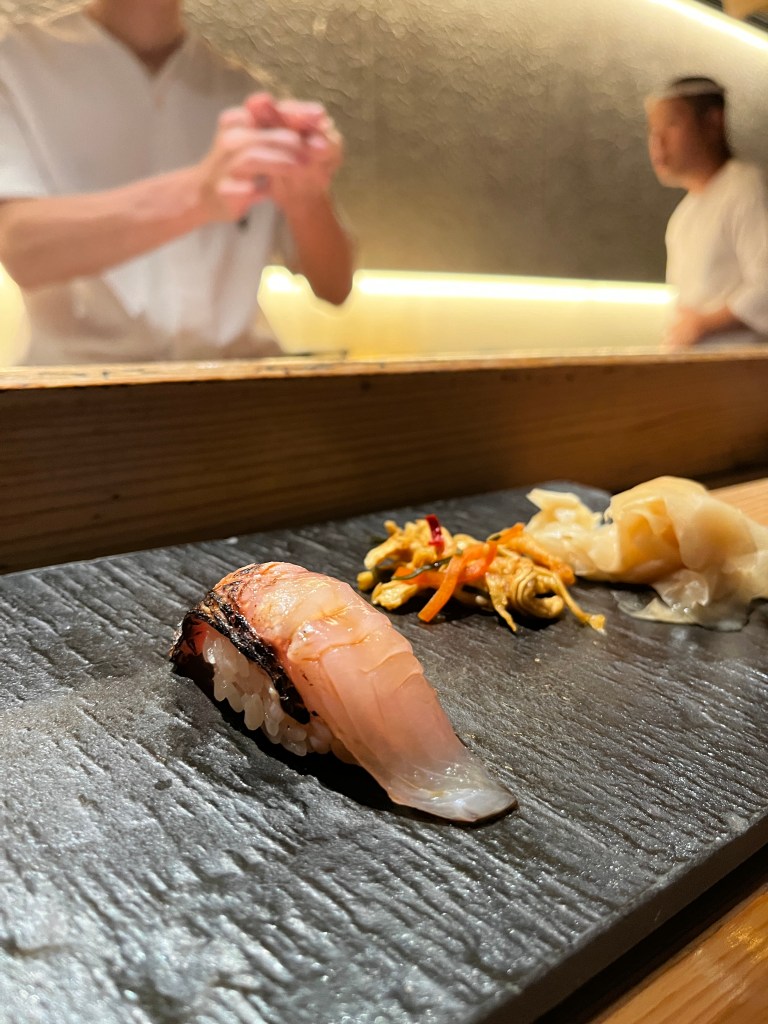
🍣 Sushi – Fresh, high-quality sushi is one of Japan’s most famous exports. Enjoy it at sushi bars, conveyor belt restaurants, or high-end sushi restaurants.
🍜 Ramen – A popular noodle dish with a rich broth (either soy, miso, or pork-based), typically served with pork, egg, and vegetables. Each region in Japan has its own ramen style.
🍙 Onigiri – A rice ball often filled with fish, pickled plums, or vegetables, wrapped in seaweed. These can be found at convenience stores and are a perfect snack on the go.
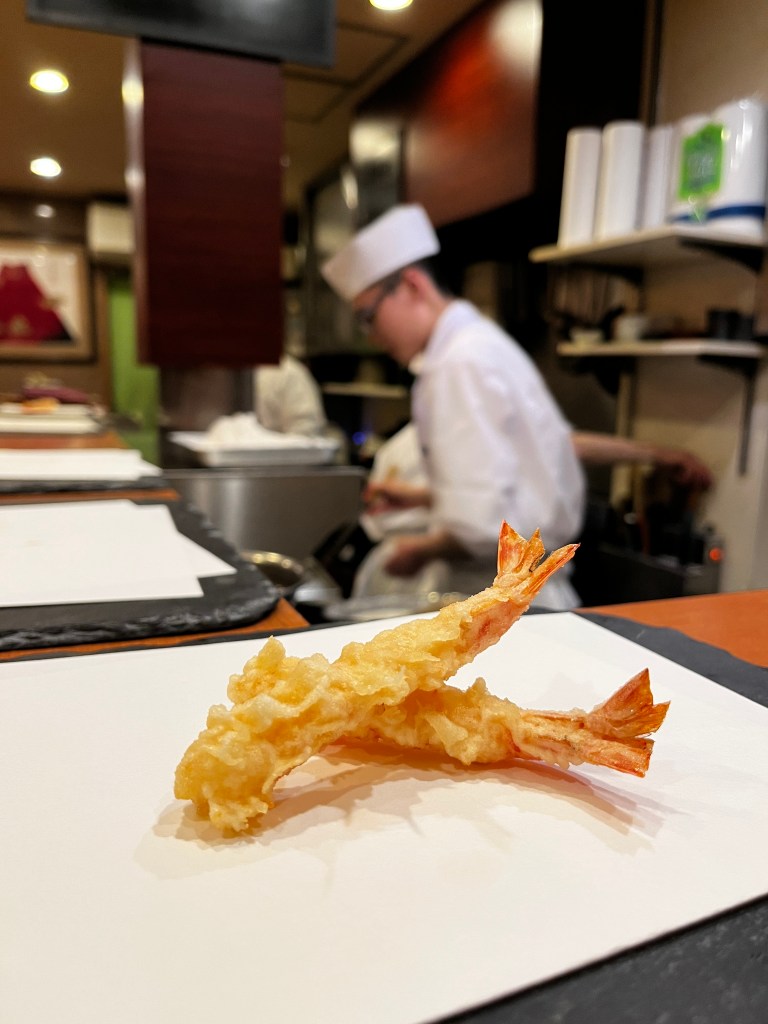
🍲 Tempura – Lightly battered and deep-fried seafood or vegetables, served with dipping sauce.
🥩 Wagyu Beef – Japan is famous for its tender, marbled beef. Try the luxurious Kobe beef or Matsusaka beef if you’re visiting the regions that specialize in these.
🍡 Mochi and Wagashi – Traditional Japanese sweets made from rice flour, often filled with sweet red bean paste or other fillings.
🍶 Sake – Japan’s traditional rice wine. Don’t miss trying it when visiting local izakayas (pubs)
Top Tip: you can drink the tap water in Japan. Japan has strict water quality standards, and you’ll find clean drinking water throughout the country.
Top Tip: Japan is known for its safety, cleanliness, and orderliness. However, it’s important to follow local rules and show respect, such as staying quiet in public transport and being mindful of proper etiquette when visiting temples.
Packing List
Before heading off, make sure you have these essentials for your trip to Japan:
🧴 Sunscreen and insect repellent – If visiting during the summer, these are essential.
👕 Comfortable clothing – Bring light clothes in summer, and layers if traveling in autumn or spring. Winters can be cold, so pack appropriately for northern regions like Hokkaido.
🧣 Scarf or light jacket – Temples, shrines, and even some restaurants may require modest dress.
☂️ Compact umbrella – Rain is common, especially during the summer rainy season (June and July).
👟 Comfortable walking shoes – Japan’s cities are best explored on foot, and you may be doing a lot of walking.
🎎 Adaptor and power bank – Bring a power adapter for charging your devices and a portable charger for long days out.
Useful Apps
📲 Google Maps – For navigating the complex train and subway systems. Download here.
📲 GO – For hailing taxis easily, especially in cities like Tokyo and Osaka. Download here.
📲 Google Translate – To help with language barriers, especially in rural areas. Download here.
📲 Rakuten – A popular app for finding restaurants and food recommendations. Download here.
Japan offers an incredible blend of history, culture, and modernity, making it a dream destination for travelers. Whether you’re soaking in an onsen, exploring temples, or marveling at the country’s technological advancements, your trip to Japan is sure to be unforgettable. Safe travels!
Safe travels and make sure to bookmark this page or send to your travel buddy!
 Lizzieontour
Leave a comment