This guide covers everything you’ll need as a short-term tourist in the Philippines. Whether you’re here for beach getaways, island-hopping, or cultural explorations, this checklist will help you make the most of your trip.
🇵🇭 Welcome to the Philippines! 🇵🇭
The Philippines is an archipelago of over 7,000 islands in Southeast Asia, known for its crystal-clear waters, white-sand beaches, and vibrant culture. Whether you’re island-hopping or soaking up the tropical vibes, this paradise promises endless adventures and unforgettable memories!

The Essentials
Weather
The Philippines has a tropical climate, with hot and humid weather year-round. The seasons are divided into:
- Dry season (November to May)
- Rainy season (June to October)
The best time to visit is during the dry season when the weather is most pleasant for beach trips and outdoor activities. Typhoons are common from June to December, so plan accordingly!
Money Matters
- Currency: Philippine Peso (PHP)
Credit cards are accepted in most major cities and tourist destinations, but cash is essential for smaller towns, local markets, and transportation.
ATMs are available in cities, but make sure to carry enough cash when traveling to more remote islands.
Top Tip – Tipping is becoming more common in The Philippines especially in touristy areas and upscale restaurants.
Language

Official Languages: Filipino (Tagalog) and English
English is widely spoken, especially in cities and tourist areas, making communication easy for visitors.
Connectivity and Wi-Fi
- Wi-Fi is widely available in hotels, restaurants, and malls, though speeds may vary in rural areas.
- SIM cards are easily available at airports and in city centers. Globe and Smart are the main providers.
- An eSIM is also a great option, as you simply just download an app and select the country you need the eSim for. I love Airalo click here to find more information.
Plug & Sockets
The Philippines uses plug types A, B, and C with a standard voltage of 220V and a frequency of 60Hz.
Safety and Emergency Numbers
Police and General Emergencies: 911
While the Philippines is generally safe, take usual precautions in crowded areas and avoid poorly lit streets at night.
Travel and Transport
Air
The Philippines has several international airports, with Ninoy Aquino International Airport (Manila), Mactan-Cebu International Airport (Cebu), and Clark International Airport (Pampanga) being the largest. Domestic flights are frequent, connecting you to various islands across the country.
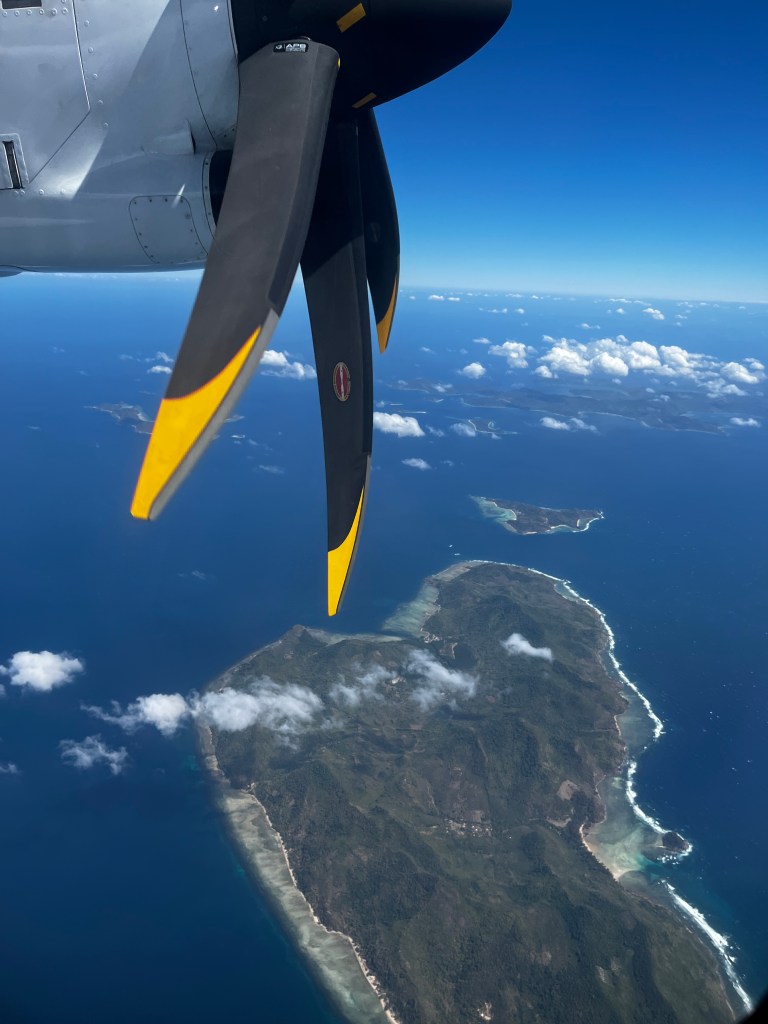
Top Tip – If you’re flying into Manila and then transiting to the Domestic Terminal to catch internal flights within The Philippines, make sure to allot enough time to exit the international terminal and then take a taxi to the domestic terminal. The taxi journey took approx 25mins between terminals.
Public Transport
Jeepneys: These colorful, iconic vehicles are a popular way to get around in cities and towns.
Tricycles: Motorised rickshaws are common for short trips within local areas.
Ferries: As an archipelago, ferries are essential for island-hopping. Major ferry routes operate between larger islands.
Road
Car rentals are available, but driving in major cities can be challenging due to traffic. For exploring islands, renting a motorbike is a popular option.
In The Philippines people drive on the right side of the road. Ride-hailing apps like Grab are widely available in cities like Manila and Cebu.
Food and Culture
The Philippines is a melting pot of influences, including Spanish, Chinese, and American, reflected in its vibrant culture and delicious food.
🍛 Adobo – A popular dish made of chicken or pork simmered in vinegar, soy sauce, and garlic.
🍜 Sinigang – A sour soup made with tamarind, vegetables, and your choice of meat or seafood.
🍢 Lechon – Whole roasted pig, often served during special occasions.
🥥 Halo-halo – A refreshing dessert made of crushed ice, evaporated milk, sweet beans, jellies, fruits, and more.
Top Tip – The Philippines is predominantly Roman Catholic, and religious festivals are an important part of the culture. If you’re visiting during Holy Week (Easter), expect parades, street performances, and closed shops in some areas. Dress modestly when visiting churches and religious sites.
Packing List
You’re almost ready! Here’s a checklist of essentials for your trip to the Philippines:
🧴 Sunscreen and insect repellent – The tropical sun can be intense, and mosquitoes are common in rural areas.
👙 Swimwear and beachwear – With so many beaches and islands, you’ll want to be prepared for the water.
🧣 A sarong or scarf – Useful for visiting religious sites and for protection from the sun.
☔ Rain jacket or umbrella – Especially useful if you’re visiting during the rainy season.
Useful Apps
📲 Grab – The go-to app for booking taxis and food deliveries in cities. Download here.
📲 Google Maps – Your best friend for navigating cities and islands. Download here.
📲 Klook – Great for booking tours, activities, and transportation in advance. Download here.
The Philippines is a diverse and exciting destination, offering everything from tropical getaways to cultural experiences. Whether you’re relaxing on white-sand beaches, exploring historic towns, or diving into the country’s cuisine, your trip will be nothing short of amazing.
Safe travels and make sure to bookmark this page or send to your travel buddy!


Leave a Reply