As a British Expat who lived in India for over 4 years, I took the amazing opportunity to explore India in every way possible. So here is our Ultimate checklist for everything you need to know before heading out to India.
This guide we will cover off everything you will need as a short term tourist in India. If you are planning for a longer term stay this guide may not be the one for you.
🇮🇳Welcome to India🇮🇳
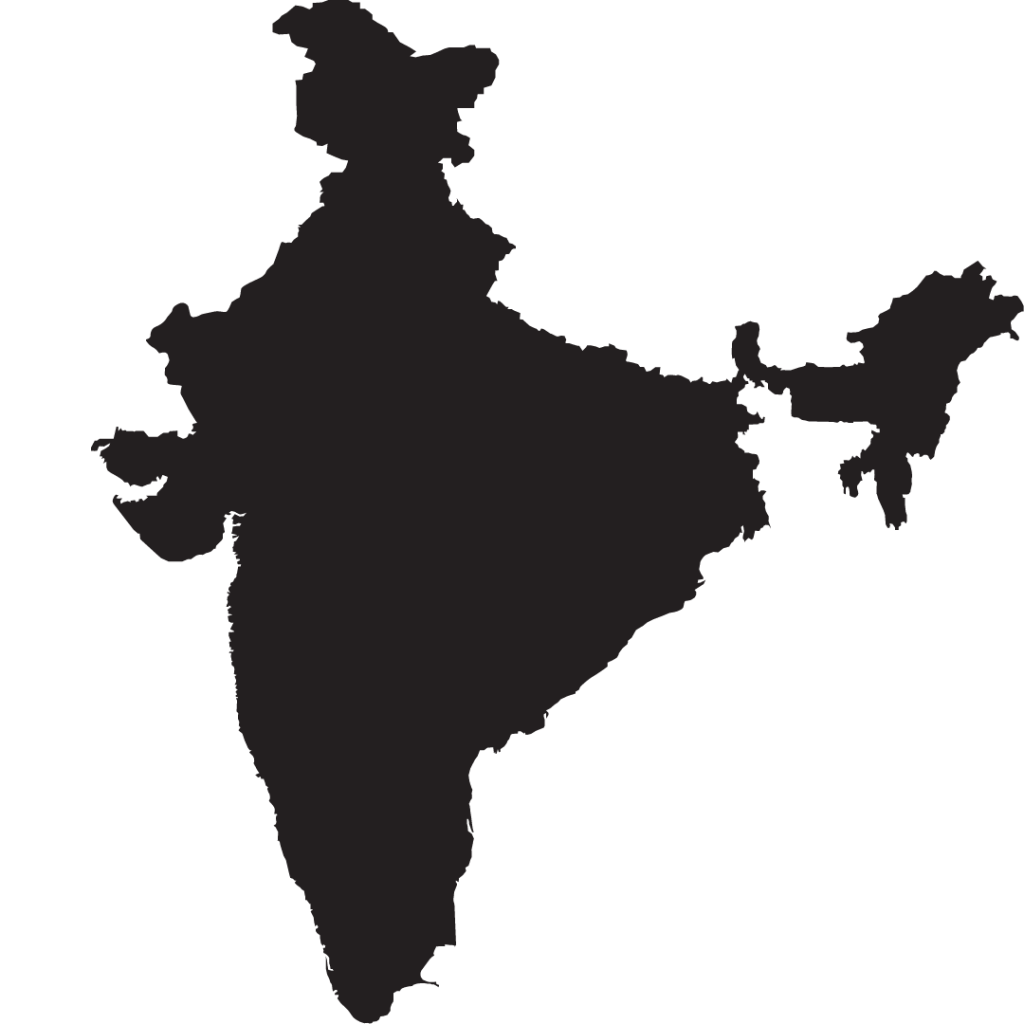
India is located in South Asia, bordered by Pakistan to the northwest, China and Nepal to the north, Bhutan to the northeast, and Bangladesh and Myanmar to the east. To the south, it is surrounded by the Indian Ocean, with the Arabian Sea on the west and the Bay of Bengal on the east.
The Essentials
Weather
India’s weather is as diverse as it’s culture; with hot summers (March to June), a monsoon season with heavy rains (June to September), a pleasant post-monsoon period (October to November), and cool winters (December to February).
Northern regions such as Delhi and Rajasthan can experience extreme temperatures with highs of 50C in the Summer, and lows of up to -5C in the Winter. While Southern regions and coastal areas such as Mumbai, Goa and Kerala, the weather is more consistent with temperatures between 26-30C year around. However South India does tend to be more humid, with Monsoon season lasting a little longer than North India.
The best time to visit India really depends on which region you are going to, however as a rule of thumb for first time visitors – the best to visit is while the weather is cooler and there is no monsoon – October to March would be the ideal time to explore. But of course check before planning a trip to make sure the climate is suitable for your adventures!
Money Matters
Currency: Indian Rupee
In most cities, credit and debit cards are widely accepted in restaurants, shops and hotels. However make sure to have a little bit of cash on you just in case – for local markets and street vendors cash is a must!!
ATMs are widely available in most cities, however if you are going off the beaten path we’d recommend getting enough cash to cover your trip in advance.
Tipping is common in restaurants (around 10-15%), as well as for drivers and tour guides.
Top Tip – The Indian Rupee is a closed currency, which means that you are not able to get your trip currency prior to landing in India. Bureau de change are available at the arrivals terminal of the big international airports, additionally as previously mentioned ATMs are widely available (just ask your hotel or driver to point you in the right direction).
Language
Official Languages: Hindi and English
Although Hindi is the official Language of India, there are regional languages that differ region to region, with the biggest 3 being Bengali, Marathi and Telugu.
Connectivity and Wifi
Wifi is widely available in all hotels and the majority of cafes, restaurants and malls.
Purchasing SIM cards in India can be a bit tricky and require some paperwork/documentation (including but not limited to: local address, passport, visa). These can be purchased at some of the international airports – including Delhi and Mumbai airport.
An alternative to SIM cards are eSIMs, an eSIM is a digital SIM card that you can download on your phone and use for the duration of your trip. Click here for a link to Airalo, the eSIM company we use.
Plugs and Sockets
India uses plug type is D, which is the plug that has three round pins in a triangular pattern. Additionally, Type C plugs (two round pins) are also commonly used and fit into Type D outlets. India operates on a 230V supply voltage and 50Hz.
Safety and Emergency Numbers
Police: 111
Ambulance: 102
Fire: 101
Tourist Helpline: 1363 (available in multiple languages)
Travel and Transport
Air
India has a total of 127 airports with 32 international airports, which means that air travel is convenient across India and allows you to explore to your hearts content.
I’ve listed out the 3 biggest airports across the region before for your reference.
- Indira Ghandi International Airport, Delhi
- Chhatrapati Shivaji International Airport, Mumbai
- Kempegowda International Airport, Bengaluru
Public Transport
Public transport in India is well-developed, especially in urban areas and major cities such as Mumbai.
Although the public transport network is well developed in India, there are a few things to note. Public transport is affordable and extensive, however can get extremely crowded during peak hours, additionally there are varying levels of cleanliness.
We would recommend sticking to the Metro system which is clean and effective in larger cities such as Mumbai, Delhi and Bangalore. As well as the national wide train service which is effective for traveling from city to city. There are different class groups on the trains, we would recommend AC First Class or AC Tier 2 for tourists visiting.
Road
Car rentals are available at the majority of large international airports as well as in most larger cities. Make sure to check online with your provider before booking!
However roads in India can be chaotic and vary in conditions. We’d recommend hiring a car and driver, that way you get the benefit of a driver who is experienced with the roads and conditions, as well as the traffic norms!
For quick trips within a city you can use a taxi app, our personal favourite after 4 years in India is BluSmart, the car tends newer than that of other taxis and a little cleaner. However the only downside is that they have to be prebooked on the app. For immediate cars, try Uber and Ola.
Food and Culture
India’s food and culture are deeply intertwined, with each region of India having it’s own food, customs and cultural practises. India is home to a variety of ethnicities, languages, and religions. Some of the widely practised regions include: Hinduism, Islam, Christianity, Sikhism, Buddhism, and Jainism.
Bonus Tip – Before visiting India, check if there are any local festivals happening, this is a great way to experience the culture of India. A few festivals to look out for are Holi, Diwali, EID and Navratri.
The food in India is so diverse and differs region to region, and have an amazing variety of vegetarian options. Here are a few must tries in each region:
North India:
- Butter Chicken (Murgh Makhani) – A creamy tomato-based curry with tender pieces of chicken.
- Chole Bhature – A delicious street food (that you can often find at restaurants) which consists of slow cooked chickpeas (chloe), and golden deep fried bread (Bhature). A personal favourite!
- Laal Maas – a spicy and favourful lamb curry from the state of Rajasthan, typically eaten with Roti (a type of bread)
- Dal or Paneer Makhani – Lentals (dal) or Paneer (an Indian cheese) cooked in butter and cream with a mixture of spices. Ultra rich and decadent.
- Paratha – a flaky bread, often stuffed with Aloo (potatoes), Gobi (cauliflower) or Paneer.
South India
- Dosa – A thin, crispy crepe made from fermented rice and lentil batter, served with sambar (see below) and different chutneys (such as coconut, chili and curry leaf), roasted dosas are also popular, with a more crispy texture. Dosas can also be stuffed often with potato, cauliflower or onions and mixed with extra spices
- Idli – a soft, steamed rice cake made from a fermented batter of rice and urad dal, commonly eaten for breakfast in South India. It is normally served with sambar (see below) and coconut chutney.
- Sambar – A tangy and spicy lentil-based vegetable stew, often made with pigeon peas, a mixture of vegetables and tamarind.
- Hyderabadi Biryani – Although there are variations of Biryani all over India, the Hyderabadi biryani is know as one of the most famous in India. Cooked rice and meat in a clay pot with lots of delicious spices.
East India
- Macher Jhol – A traditional Bengali fish curry made with mustard oil and turmeric, often served with rice.
- Momos – Steamed or fried dumplings filled with vegetables and/or minced meat, popular in the northeastern regions of India such as Darjeeling, Sikkim and Assam.
- Rasgulla – a favourite within the locals of the region, soft cheese and semolina balls soaked or cooked in sugar syrup.
West India
- Pav Bhaji – a spiced and flavoursome mash of vegetables such as potatoes, tomatos and cauliflower. Served with a soft and buttery pav (bread roll).
- Goan Fish Curry – A tangy and spicy fish curry typical to the state of Goa. A coconut-based curry, normally cooked with tomatoes, ginger, garlic and an assortment of spices
- Dhokla – A savoury steamed cake made from a fermented rice and chickpea flour batter, originating from the region of Gujarat.Typically it is seasoned with green chilis and mustard seeds, and served with chutney.
- Vada Pav – the “indian burger”, a super popular street food in Mumbai. A spicy and flavoursome deep-fried potato patty (vada), smooshed into a soft bread roll (pav). Normally served with different chutneys and green chillis.


Top tips
- Drink only bottled or filtered water while on your trip
- While delicious, ensure street food is freshly prepared and from a hygienic vendor – check with the staff at your accommodation and they’ll be able to point you in the right direction. Or alternatively join a street food tour!
Packing List
You’re almost set to go! I’ve complied a list of a few must haves on your trip to India to make you are able to make the most of your trip!
🧴 Sunscreen and insect repellent – because no one wants sunburn and mossys ruining their trip
🧣 A Sarong or Scarf – useful for covering up when visiting religious sites or if it gets chilly in air-conditioned spots.
☂️ Rain Jacket or Umbrella – for sudden rain showers, particularly during the monsoon season
Useful Apps
Google Translate
Although English is widely spoken in Malaysia there may be times where you’ll need a little helping hand. Click here to download.
Google Maps
Your go to for walking, driving and public transport. Click here to download.
Blu Smart
Our go-to for taxi hailing apps (click here to download), but make note that this is for prebooking taxis only. For Uber click here to download, and for Ola click here!
Zomato
Hungry? Download Zomato and get access to the 100s of restaurants and cloud kitchens that you can order from. Click here to download.
Thanks so much for reading and make sure to bookmark for your future reference!
 Lizzieontour
Leave a comment